
Top 10 Tips for Grant Management Every Nonprofit Leader Should Know

Managing grants is one of the most critical responsibilities for any nonprofit organization. Effective grant management not only ensures compliance with funders’ requirements but also strengthens your organization’s financial health and reputation. Whether you're a seasoned nonprofit leader or a new executive director, these 10 tips will help you master grant management.
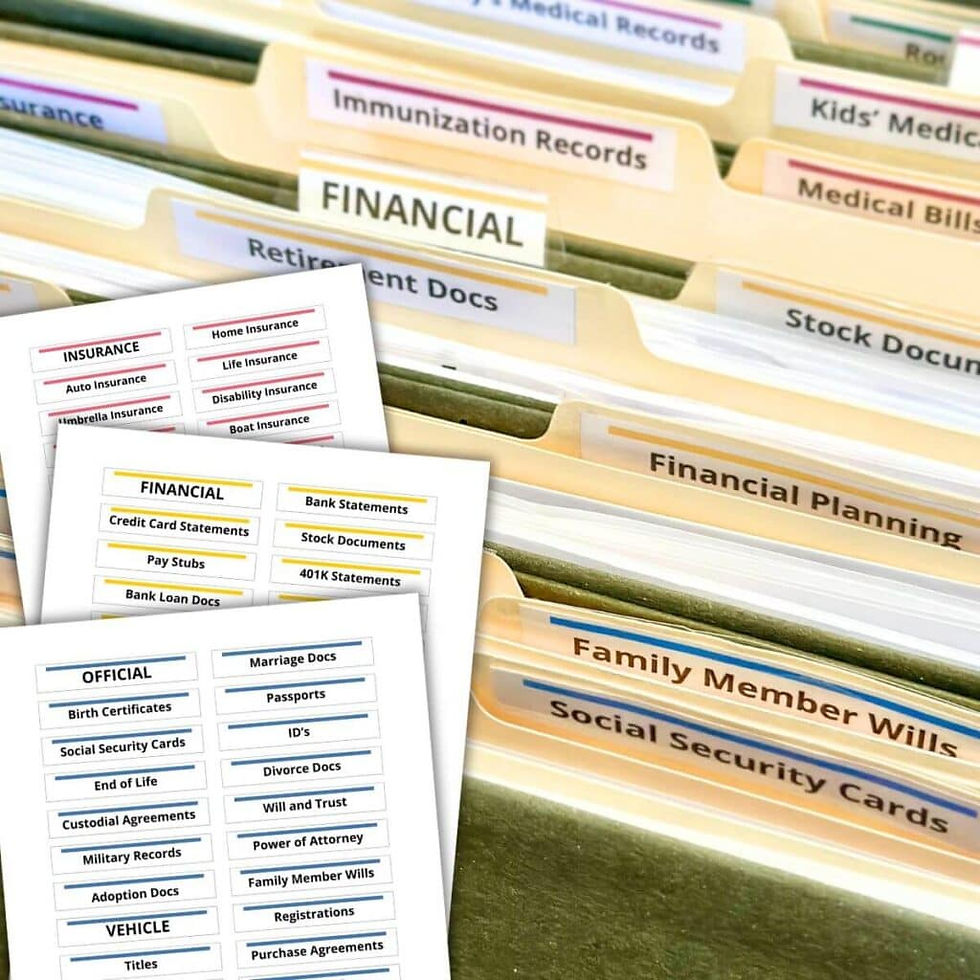
1. Organize All Grant Contracts
Keep all signed agreements and contracts in a centralized, organized folder. This could be a secure physical file or a digital system like Google Drive or Dropbox. Easy access to these documents is crucial when reviewing compliance requirements or during audits.
2. Understand if the Grant is Restricted or Unrestricted
Grants come with different levels of flexibility. Restricted grants must be used for specific purposes, while unrestricted funds can support general operations. Knowing the difference ensures correct spending and compliance.
3. Know the Grant Conditions
Read the grant agreement carefully to identify all conditions, such as matching fund requirements, performance metrics, or deadlines. Missing these conditions could jeopardize future funding.
4. Record Grants Correctly in Accounting Software
Use your accounting software to track grants separately. Create specific accounts or tags for each grant to monitor income and expenses accurately.
5. Keep All Receipts
Maintain a detailed record of every expense related to the grant. Bonus tip: If your accounting software allows, attach scanned copies of receipts directly to transactions for seamless documentation.
6. Reconcile Grants Monthly
Reconcile each grant’s income and expenses monthly to ensure that spending aligns with the approved budget. Regular reconciliation prevents errors and ensures compliance.
7. Track Reporting Formats and Deadlines
Each grant may have unique reporting requirements. Create a calendar to track deadlines for financial and programmatic reports and ensure reports are submitted on time.
8. Monitor Grant Spending Against the Budget
Regularly compare actual spending to the approved grant budget. This helps avoid overspending or underutilizing funds, which could lead to clawbacks or lost opportunities.

9. Build Relationships with Funders
Strong relationships with grant funders are invaluable. Keep them updated on your progress and outcomes, even outside formal reporting cycles, to build trust and demonstrate your commitment.
10. Prepare for Grant Closeout Early
Start preparing for grant closeout well before the end date. Ensure all deliverables are met, spending aligns with the budget, and final reports are ready for submission.
Conclusion: By implementing these 10 tips, your nonprofit can create a strong foundation for successful grant management. Staying organized, keeping in touch with funders, and maintaining financial discipline ensures compliance and positions your organization for future funding opportunities.
About the Author

Melinda Kasper, CNAP, is the owner of Wolverine Precision Financial Operations Group, a firm specializing in nonprofit accounting, financial operations, and grant management. With a strong record of serving mission-driven organizations, Melinda helps nonprofits across sectors strengthen internal systems, ensure compliance, and build financial transparency that supports long-term sustainability.
Wolverine Precision Financial Operations Group is headquartered in West Michigan and Philadelphia, proudly serving nonprofit clients nationwide.
Melinda holds the Certified Nonprofit Accounting Professional (CNAP) credential and is currently completing her Master of Business Administration (MBA) in Finance, with graduation expected in February 2026.


Comments